Antimalarial Drugs: Classification, Mechanism, Uses & Side Effects
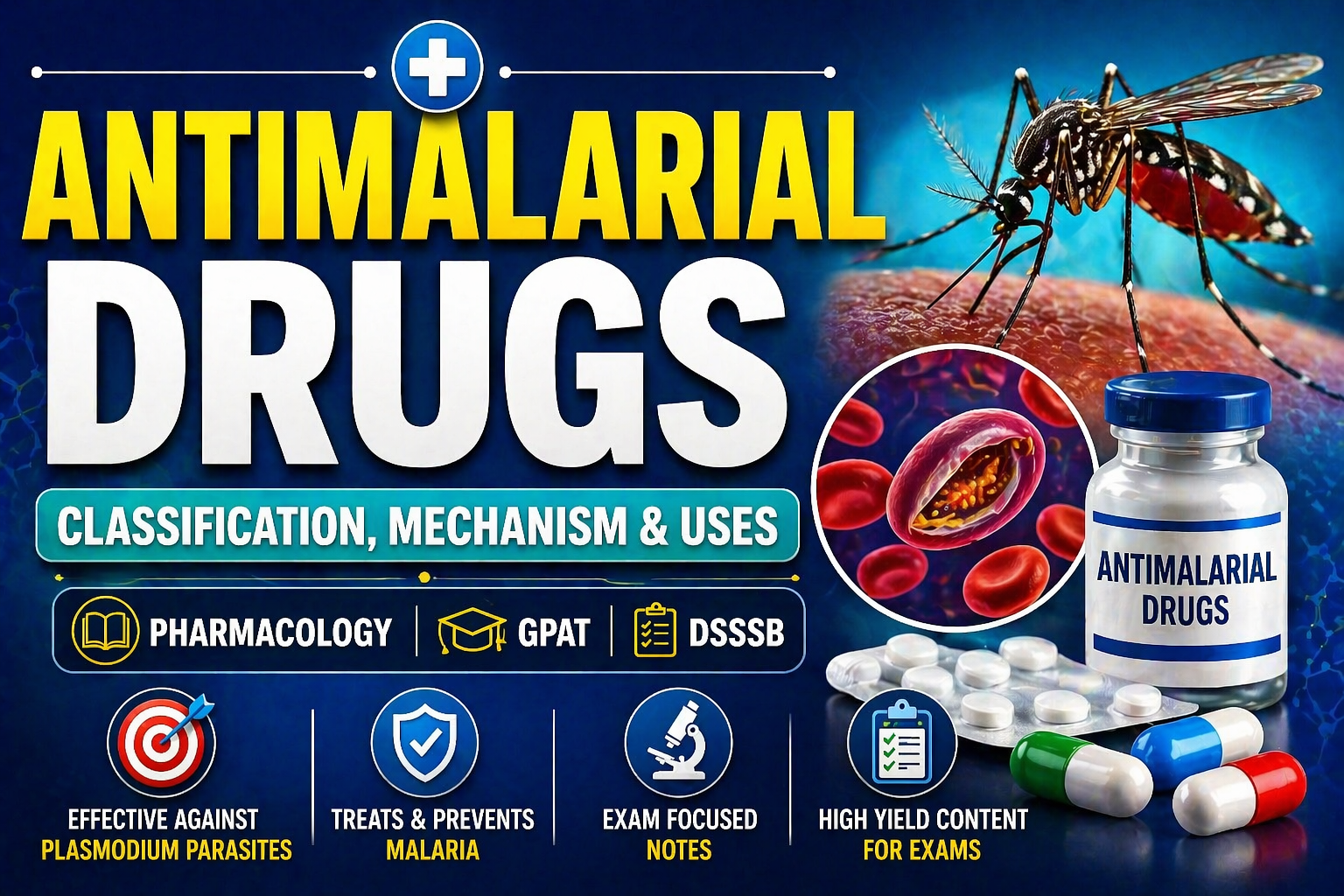
Antimalarial drugs are medicines used to treat malaria and, in selected circumstances, prevent infection. Malaria is a parasitic disease caused by Plasmodium species and transmitted mainly through the bite of an infected female Anopheles mosquito. Antimalarial drugs are an important topic in pharmacology for B.Pharm, D.Pharm, GPAT, Drug Inspector and pharmacist recruitment examinations. Understanding their … Read more
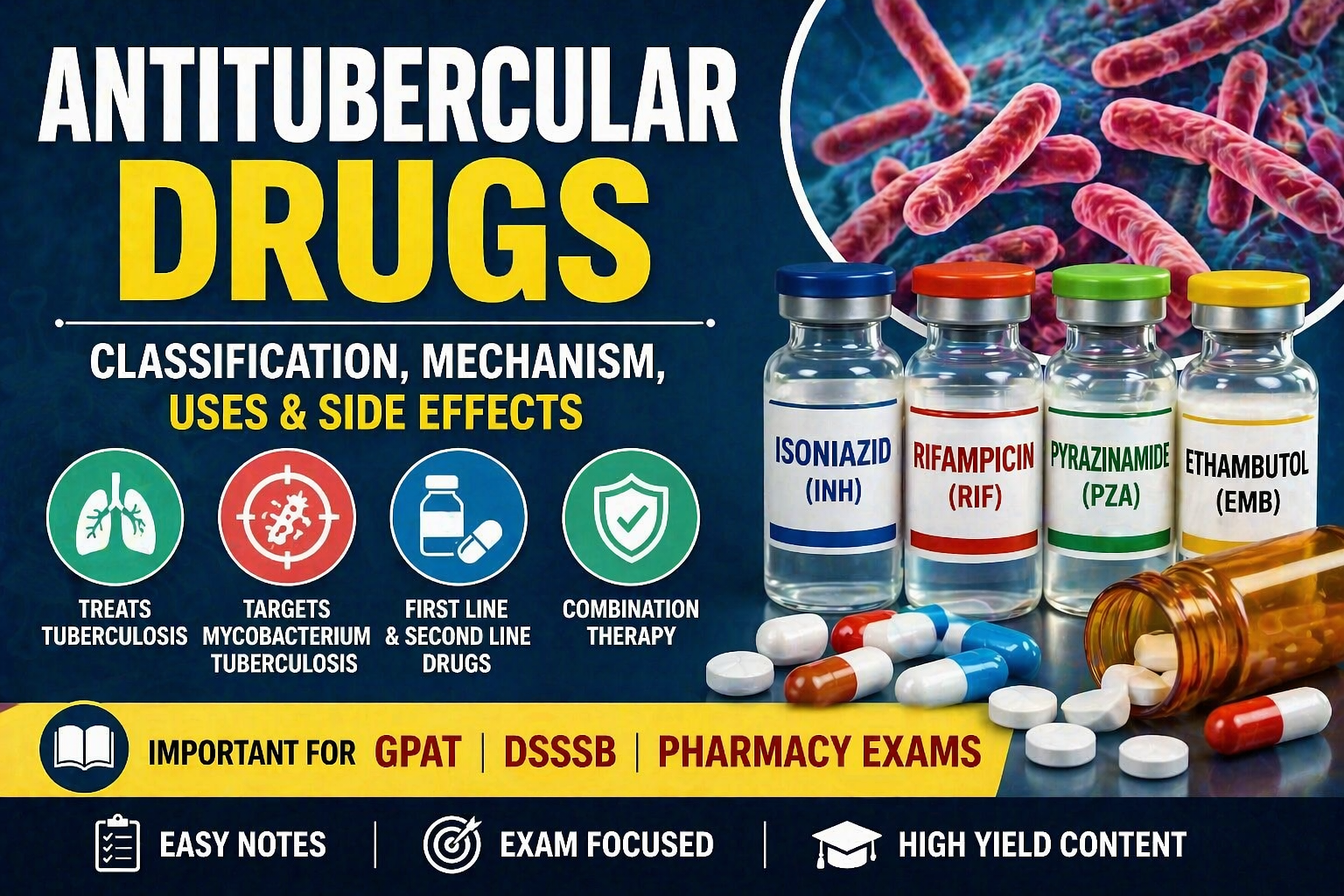
Antitubercular Drugs: Classification, Mechanism, Uses & Side Effects

Antitubercular drugs are medicines used to treat tuberculosis (TB), an infectious disease caused mainly by Mycobacterium tuberculosis. These medicines are an important topic in pharmacology for B.Pharm, D.Pharm, GPAT, and pharmacist recruitment examinations. Understanding the classification, mechanism of action, therapeutic uses, and adverse effects of antitubercular drugs helps students prepare for examinations and build a … Read more

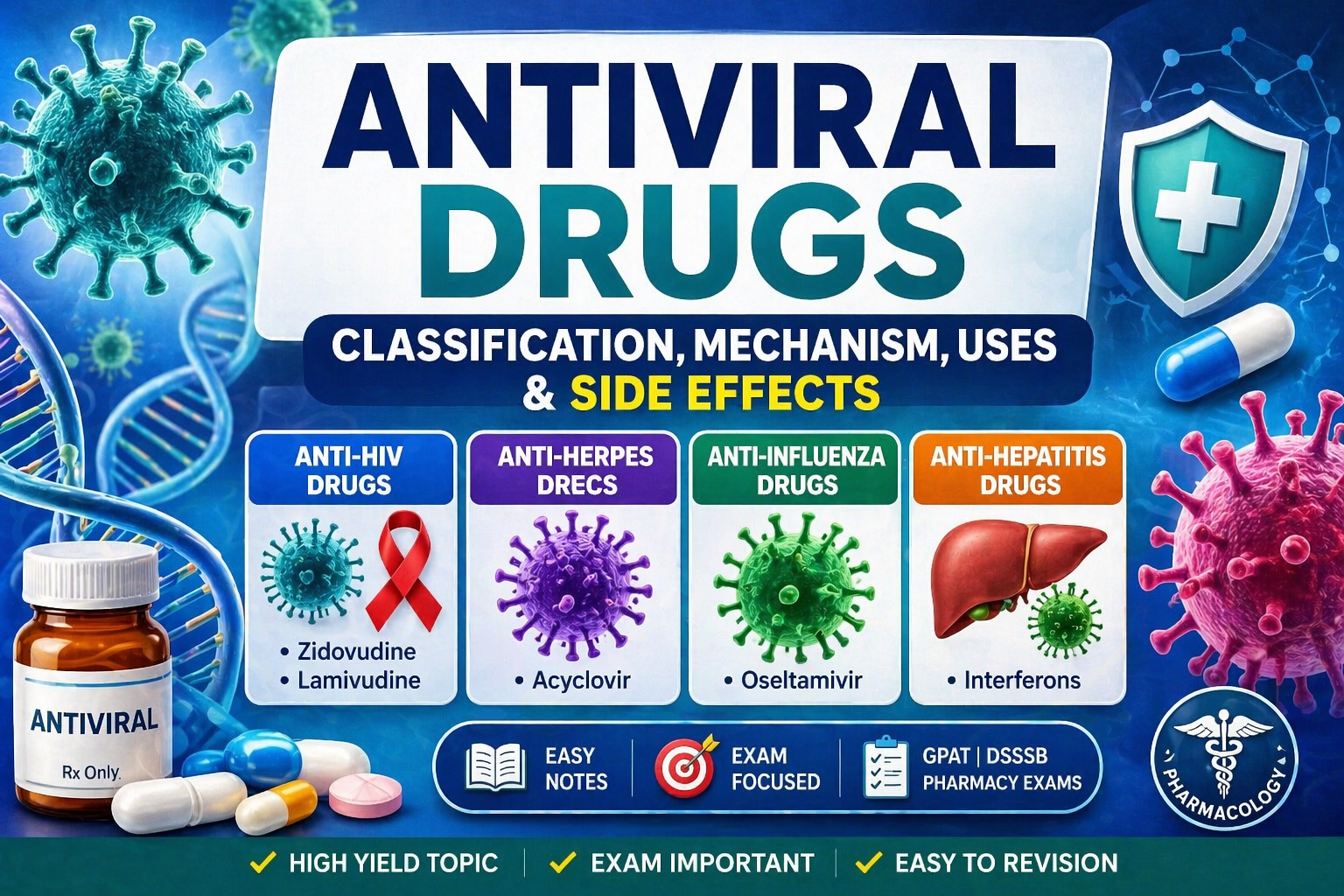
Antiviral Drugs: Classification, Mechanism, Uses & Side Effects

Antiviral drugs are medicines used to prevent or treat specific viral infections. They work by interfering with different stages of the viral life cycle, such as viral entry, nucleic acid synthesis, protein processing, and the release of new virus particles. Antiviral drugs are important in the treatment of infections caused by viruses such as herpes … Read more

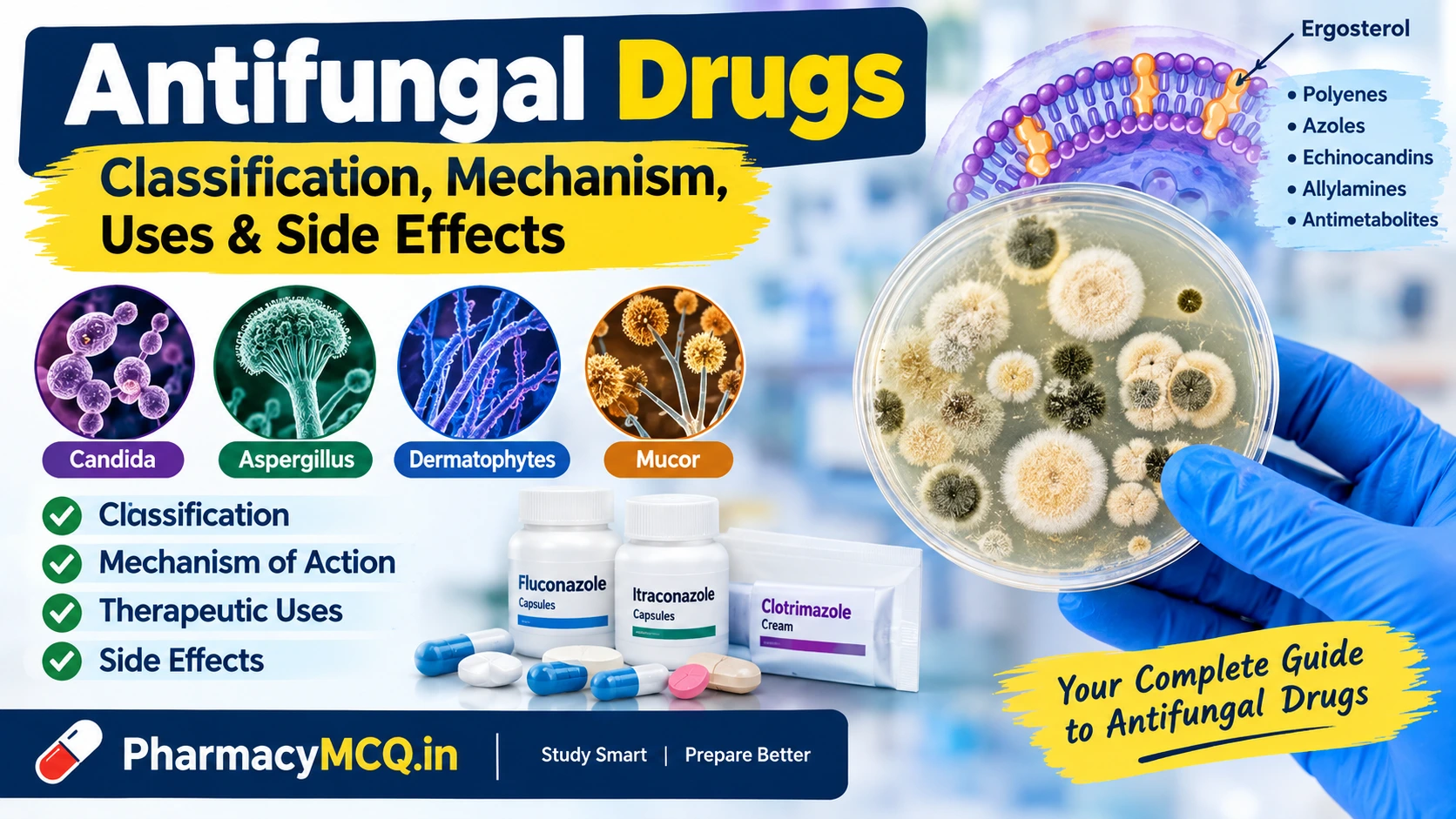
Antifungal Drugs: Classification, Mechanism, Uses & Side Effects

Introduction Antifungal drugs are medicines used to prevent or treat infections caused by fungi. These infections can affect the skin, nails, mouth, genital area, lungs, and other organs. Some fungal infections are mild, while others can become serious, particularly in people with weakened immune systems. Antifungal drugs work through different mechanisms, including inhibition of fungal … Read more

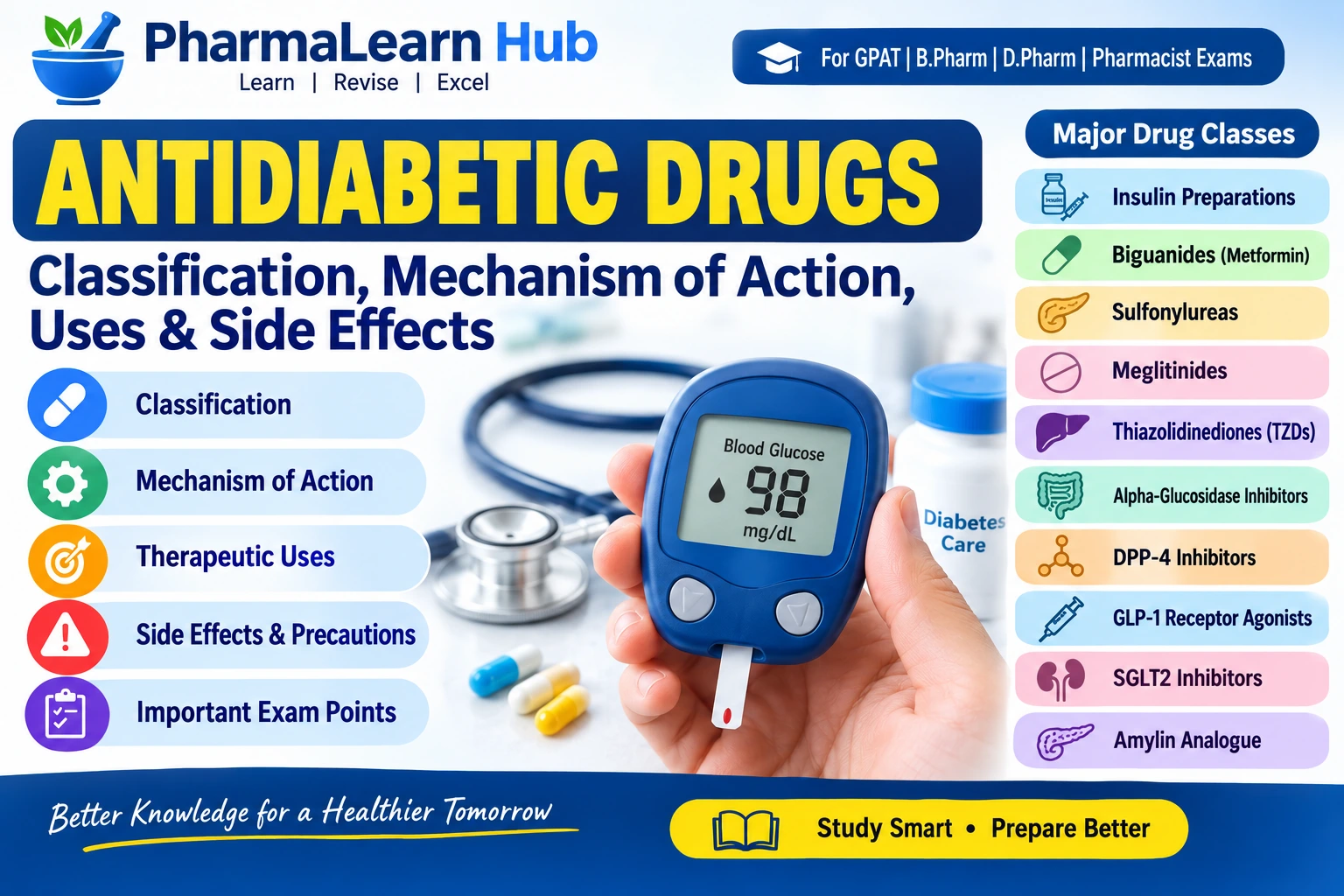
Antidiabetic Drugs: Classification, Mechanism, Uses & Side Effects

Diabetes mellitus is a chronic metabolic disorder characterised by elevated blood glucose levels due to insufficient insulin production, impaired insulin action, or both. The main types are: Type 1 diabetes, Type 2 diabetes, and gestational diabetes. If not properly managed, diabetes can lead to complications affecting the eyes, kidneys, nerves, heart, and blood vessels. Treatment … Read more

Antihypertensive Drugs: Classification, Mechanism, Uses & Side Effects

Antihypertensive drugs are medicines used to lower elevated blood pressure and reduce the risk of complications associated with hypertension. These drugs act through different mechanisms, including reducing blood volume, decreasing cardiac output, relaxing blood vessels, or inhibiting the renin–angiotensin–aldosterone system (RAAS). For pharmacy students, understanding the classification, mechanism of action, examples, therapeutic uses, and adverse … Read more

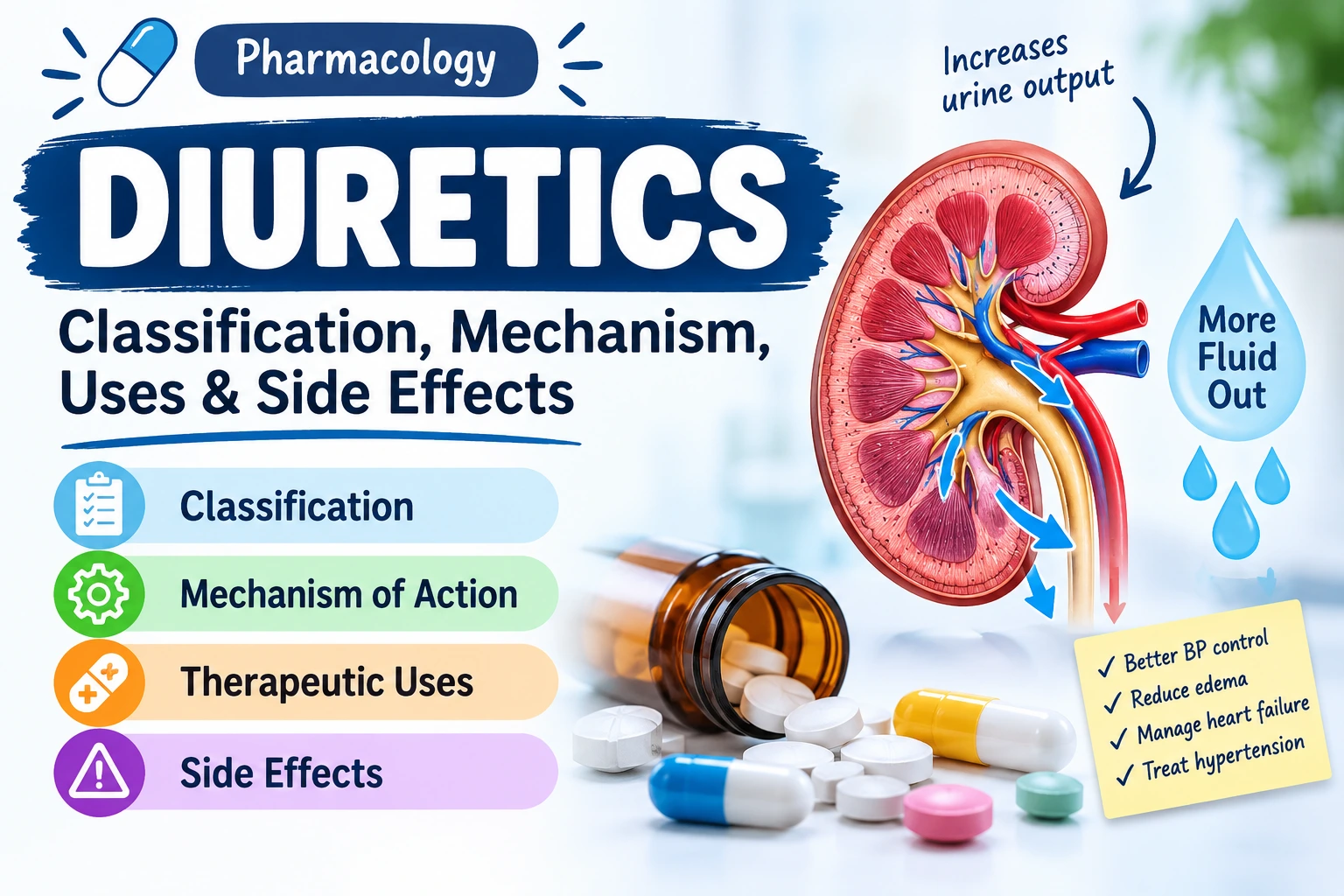
Diuretics: Classification, Mechanism, Uses & Side Effects

📌 Introduction Diuretics are an important group of drugs in pharmacology that increase the excretion of water and electrolytes through the kidneys. They are commonly used in the management of conditions such as hypertension, edema, heart failure, and certain kidney and electrolyte disorders. Because different diuretics act at different parts of the nephron, understanding their … Read more

Antihistamines: Classification, Mechanism, Uses & Side Effects

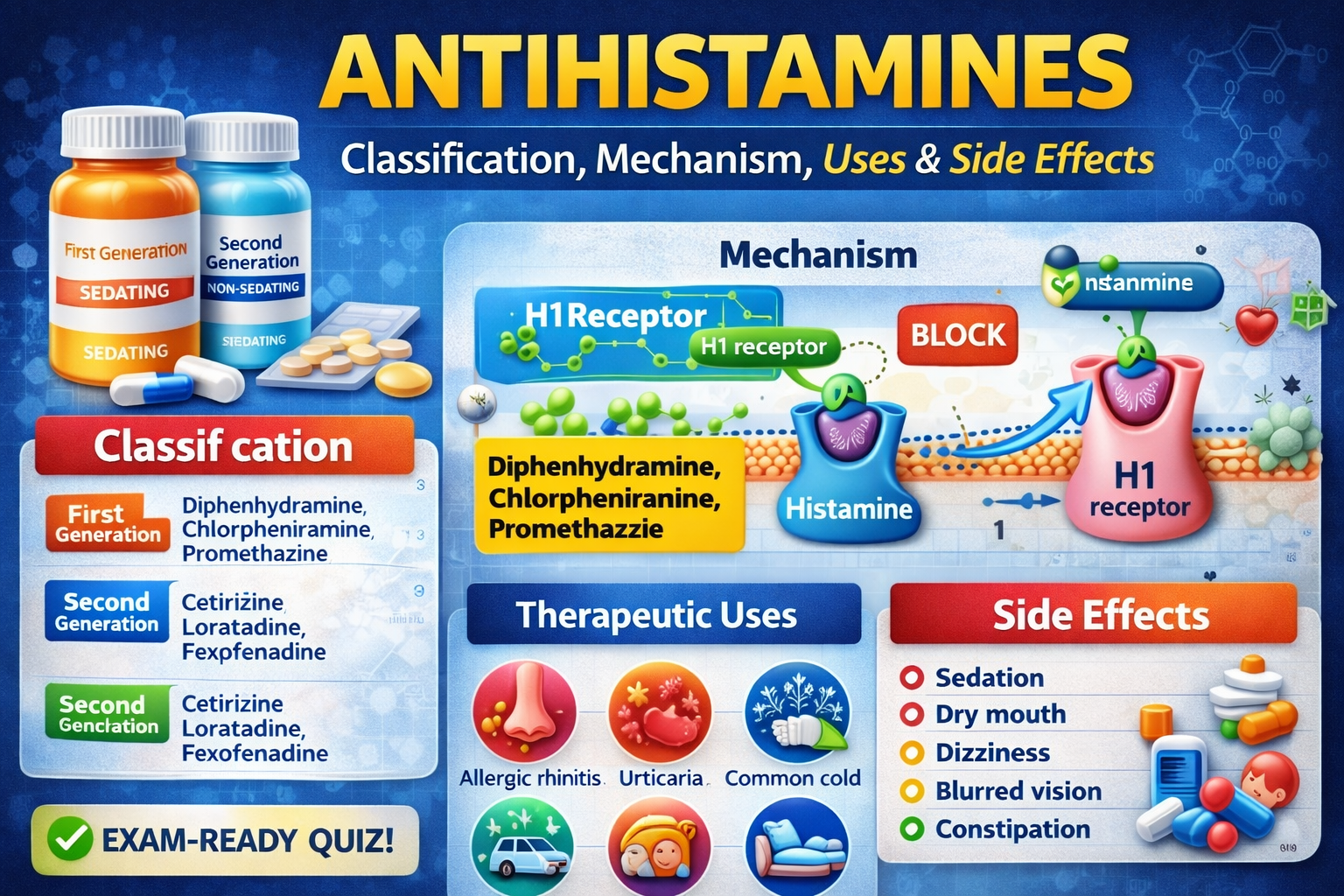
Antihistamines are an important group of medicines used to control symptoms associated with allergic reactions. They are an important topic in pharmacology and are frequently included in pharmacy examinations and MCQs. Histamine is a naturally occurring chemical mediator involved in allergic and inflammatory reactions. When histamine acts on its receptors, it can contribute to symptoms … Read more

Antibiotics: Classification, Mechanism of Action, Uses, Adverse Effects & Resistance

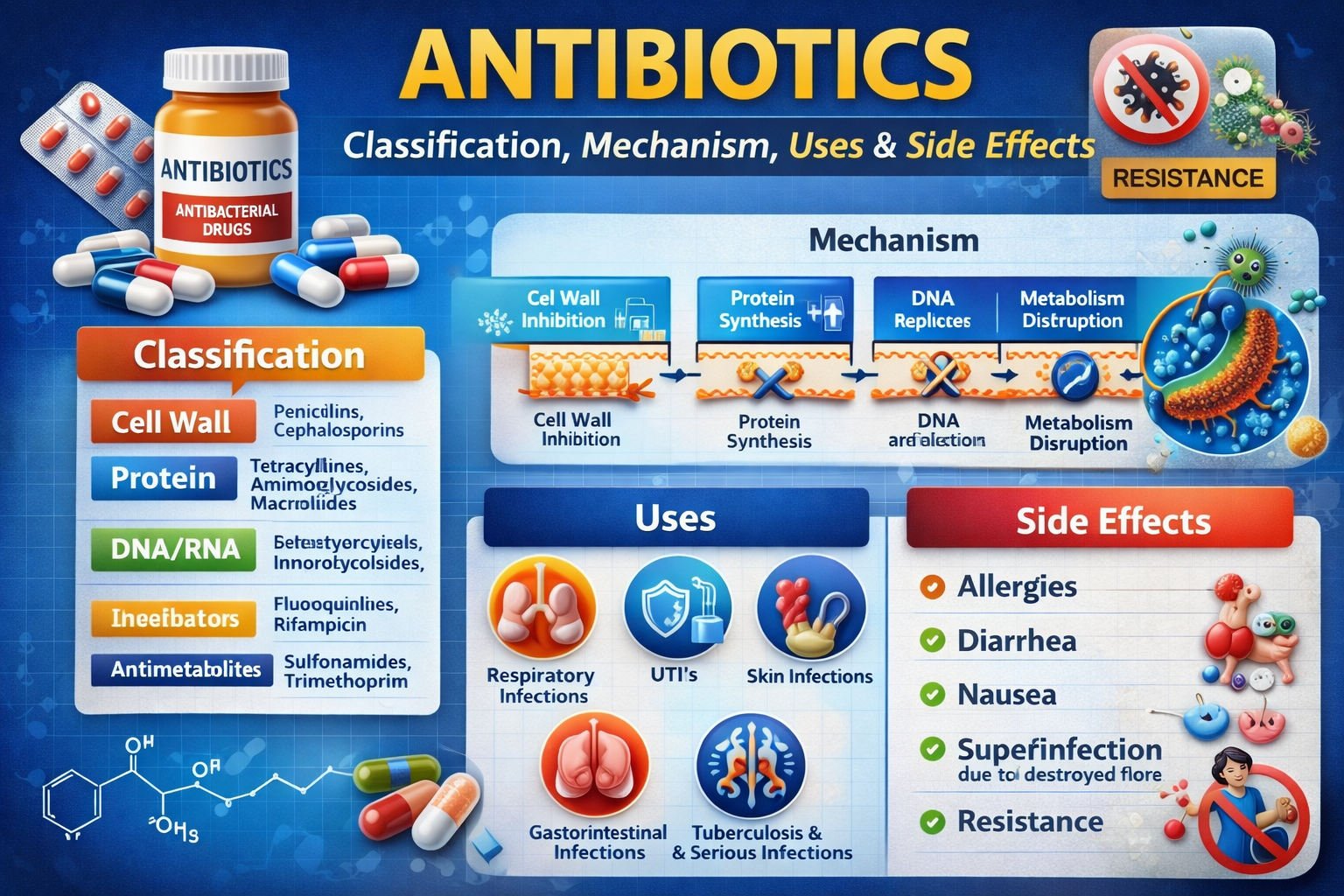
Antibiotics are medicines used to treat infections caused by susceptible bacteria. They work by targeting important bacterial structures or processes such as cell-wall synthesis, protein synthesis, DNA replication, RNA synthesis, and folate metabolism. For pharmacy students, understanding the classification, mechanism of action, important examples, therapeutic uses, and adverse effects of antibiotics is essential for B.Pharm, … Read more

NSAIDs: Classification, Mechanism, Uses & Side Effects

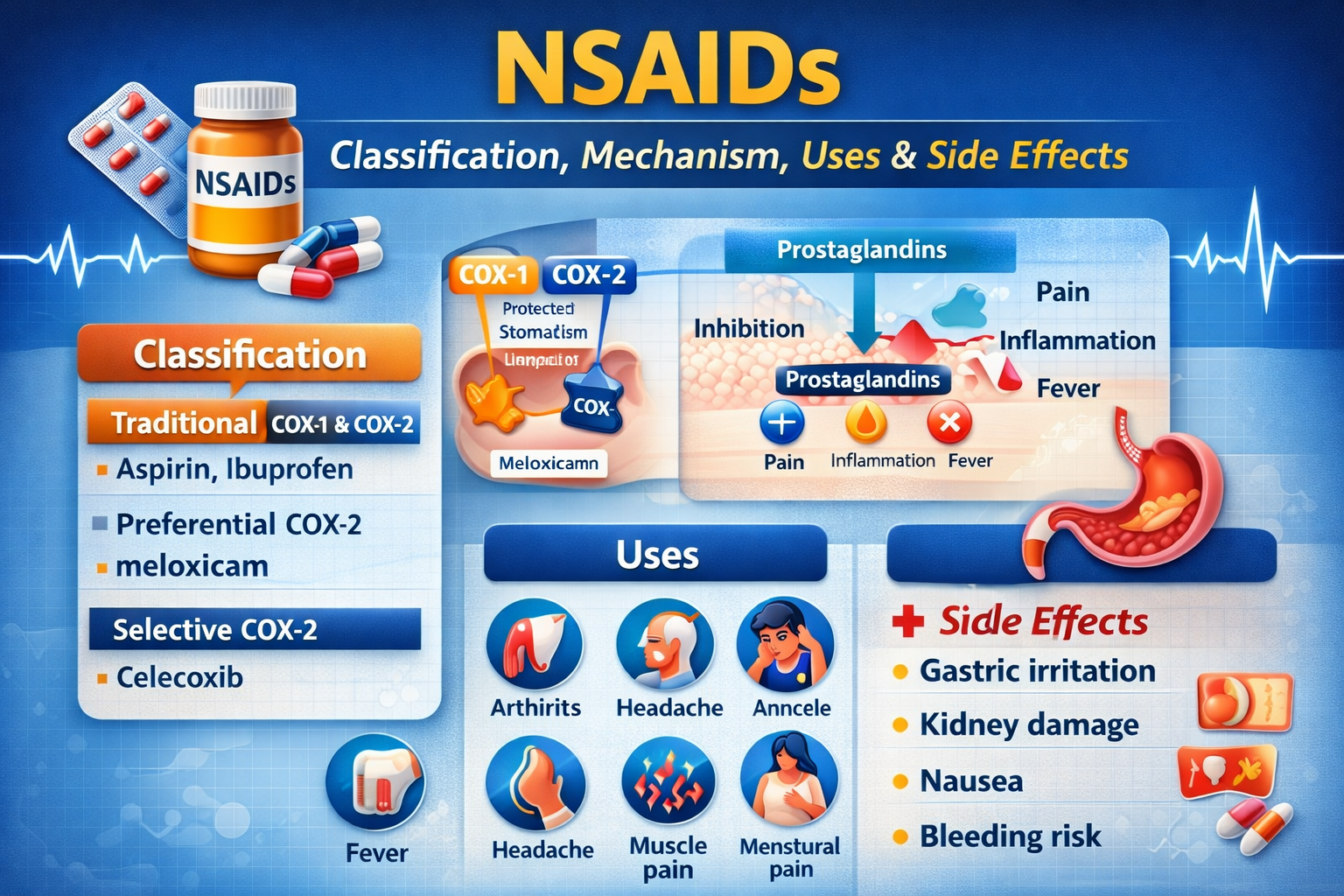
Nonsteroidal anti-inflammatory drugs (NSAIDs) are an important group of medicines used to relieve pain, reduce fever and control inflammation. They are widely studied in pharmacology and are frequently included in GPAT, RRB Pharmacist, DSSSB Pharmacist, state pharmacist and other pharmacy competitive examinations. Most NSAIDs produce their effects by inhibiting cyclooxygenase (COX) enzymes, thereby reducing the … Read more