Omeprazole vs Pantoprazole: Differences, Uses, Side Effects and Precautions
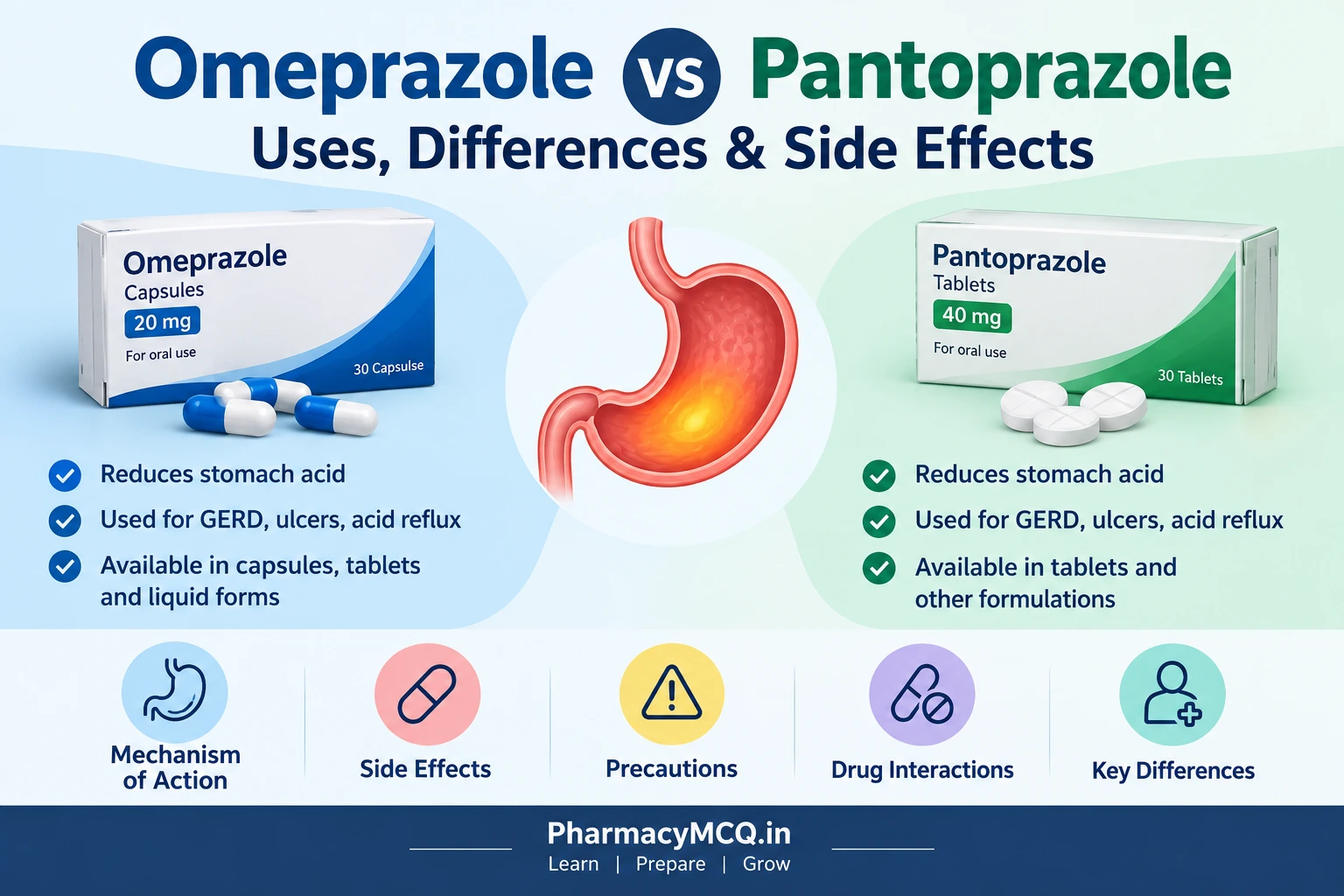
Omeprazole and pantoprazole are commonly used medicines that reduce stomach acid. Doctors prescribe them for conditions such as acid reflux, gastroesophageal reflux disease (GERD), and certain stomach ulcers. Although both medicines work in a similar way, they have some differences in their drug interactions, formulations, and individual suitability. Many people ask: Is omeprazole better than … Read more
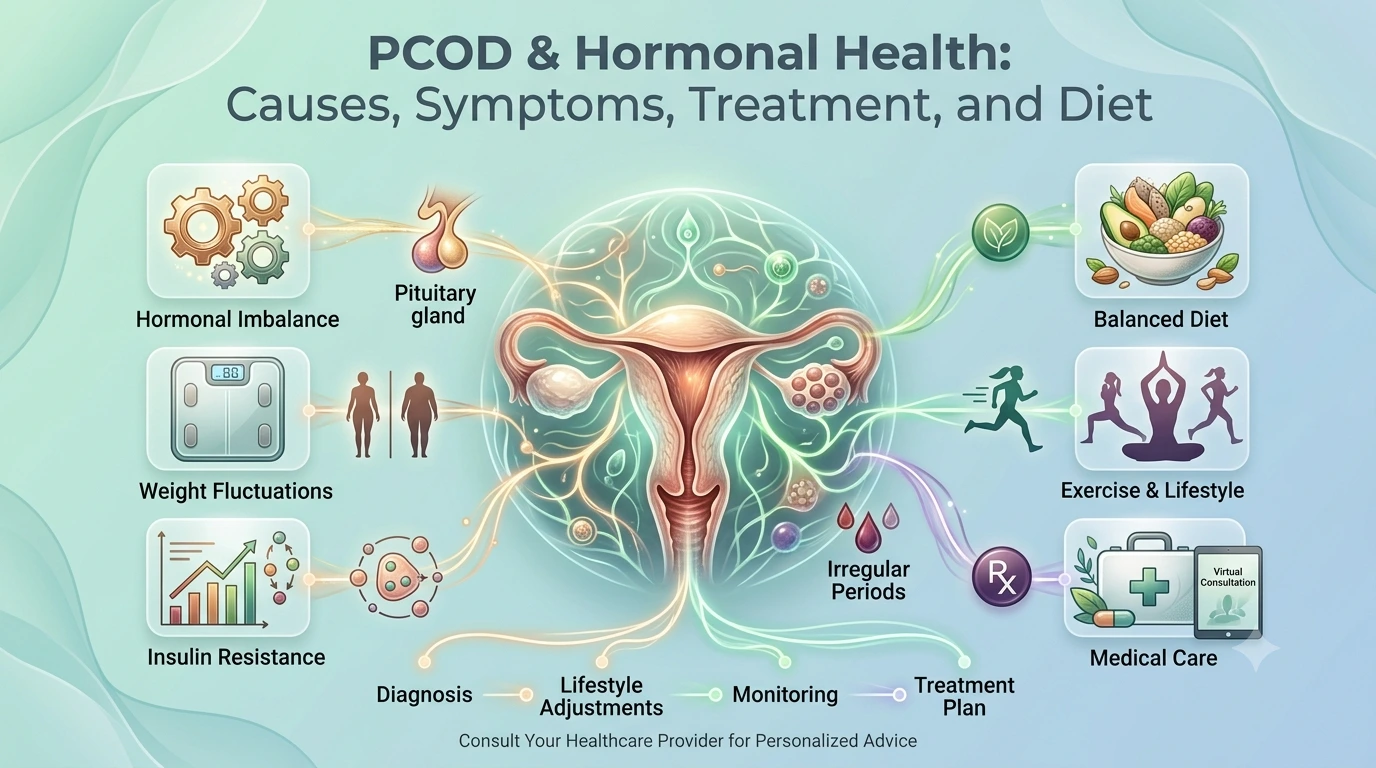
PCOD: Causes, Symptoms, Treatment & Diet

PCOD (Polycystic Ovarian Disease) is a commonly used term for a hormonal and metabolic condition that affects the ovaries and menstrual cycle. It is often discussed alongside PCOS (Polycystic Ovary Syndrome). People with PCOD may experience irregular periods, acne, weight changes, excessive facial hair, and difficulties getting pregnant. PCOD is a common concern among women … Read more

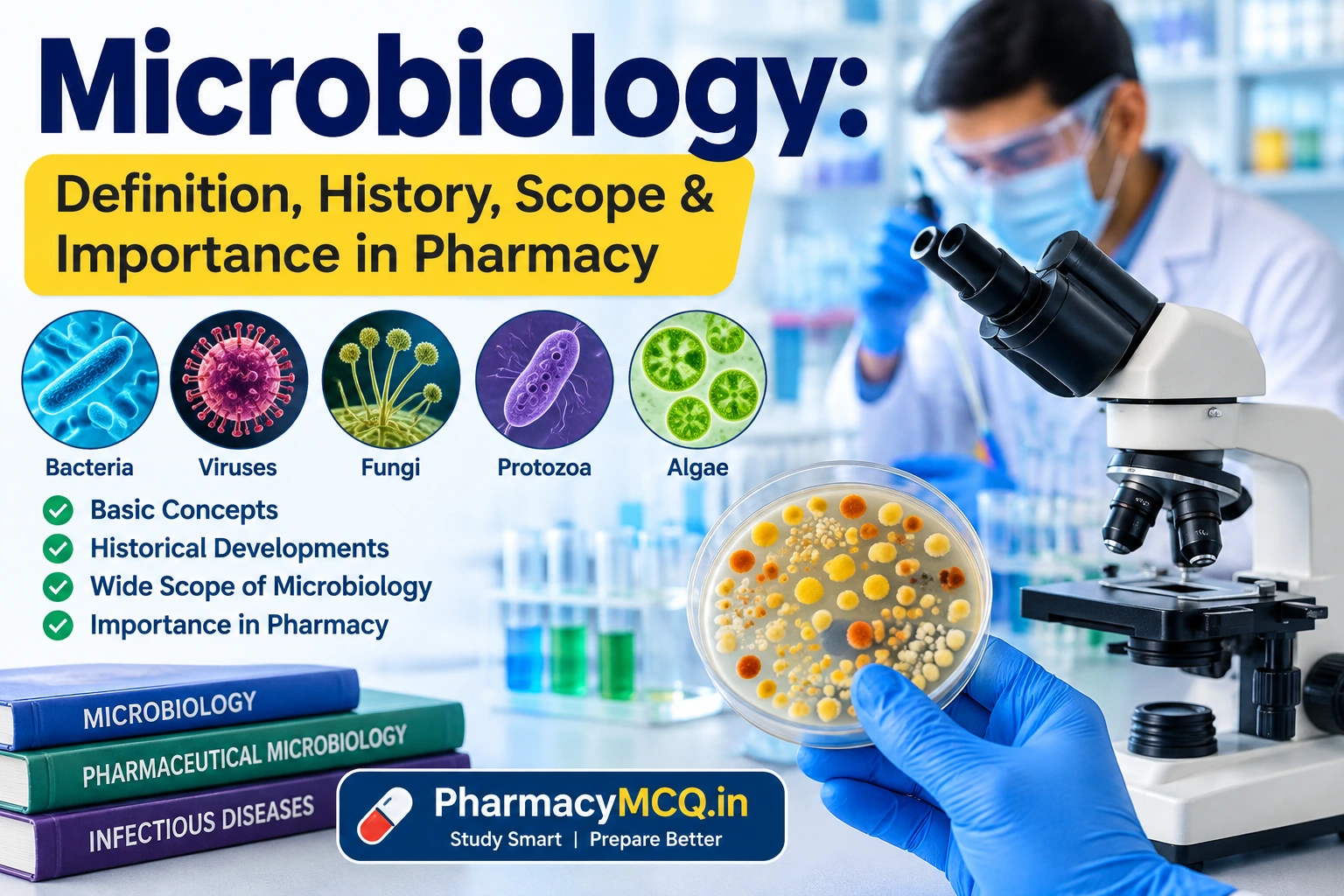
Microbiology: Definition, History, Scope and Importance in Pharmacy

📌Introduction Microbiology is an important branch of pharmaceutical science that deals with the study of microorganisms, including bacteria, viruses, fungi, protozoa, and certain microscopic algae. These microorganisms play an essential role in human health, disease development, medicine production, and pharmaceutical manufacturing. In pharmacy, microbiology helps students understand how microorganisms cause infections, how antimicrobial drugs work, … Read more

Pharmacognosy: Definition, History, Scope & Importance

Pharmacognosy is one of the fundamental subjects in pharmacy that deals with medicines and useful substances obtained from natural sources such as plants, animals, minerals, marine organisms and microorganisms. It helps pharmacy students understand the source, identification, cultivation, collection, processing, evaluation and medicinal uses of natural drugs. Pharmacognosy is especially important in B.Pharm, D.Pharm, GPAT … Read more

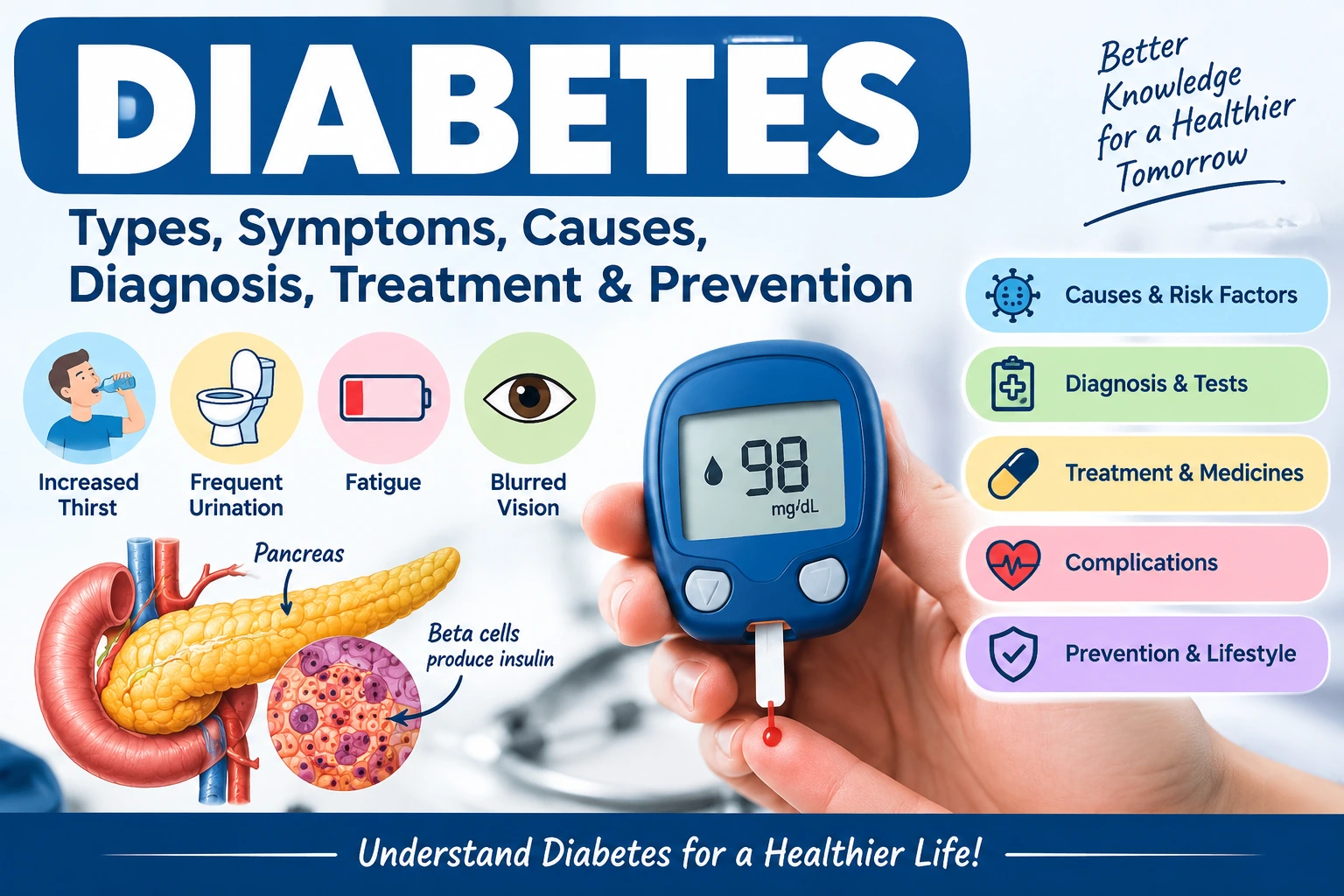
Diabetes: Types, Symptoms, Causes, Diagnosis, Treatment & Prevention

Diabetes mellitus, commonly called diabetes, is a chronic metabolic disorder in which blood glucose (blood sugar) levels become abnormally high. Glucose is an important source of energy for the body, but it needs the hormone insulin to enter many cells and be used effectively. Diabetes can develop when the body does not produce enough insulin, … Read more

Pantoprazole: Uses, Dosage, Side Effects, Mechanism of Action & Precautions

Pantoprazole is a commonly used medicine for reducing excess stomach acid. It belongs to a group of medicines called proton pump inhibitors (PPIs). It is widely used for conditions such as acidity, heartburn, gastroesophageal reflux disease (GERD), and stomach ulcers. Disclaimer: This article is for educational purposes only. The appropriate medicine, strength, and duration of … Read more

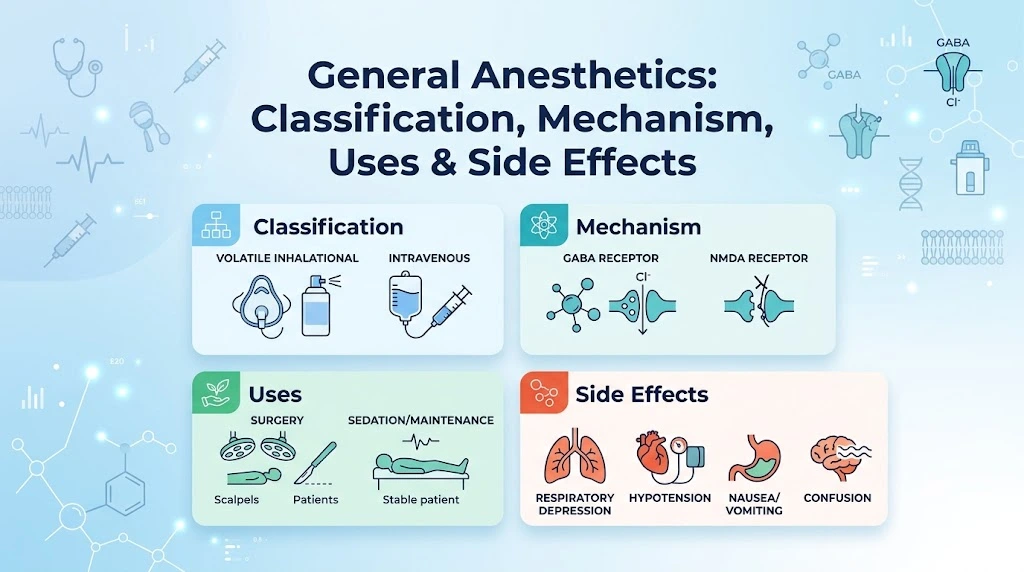
General Anesthetics: Classification, Mechanism, Uses & Side Effects

General anesthetics are drugs that produce a reversible loss of consciousness and reduce awareness of the surgical environment. They are used during surgical procedures and selected medical interventions under appropriate monitoring. For pharmacy students, general anesthetics are an important topic in pharmacology. Understanding their classification, mechanisms of action, pharmacological effects, and adverse effects is useful … Read more

Parkinson’s Disease Drugs: Classification, Mechanism, Uses & Side Effects

Parkinson’s disease is a progressive neurodegenerative disorder that affects movement. It is associated with the degeneration of dopamine-producing neurons in the substantia nigra of the brain. This leads to reduced dopamine activity in the basal ganglia and causes symptoms such as resting tremor, muscle rigidity and bradykinesia. Drugs used in Parkinson’s disease aim to improve … Read more

Antiepileptic Drugs: Classification, Mechanism, Uses & Side Effects

Antiepileptic drugs (AEDs), also called antiseizure medications (ASMs), are medicines used to prevent or reduce seizures in people with epilepsy and certain other conditions. They work through different mechanisms, including blocking voltage-gated sodium channels, modifying calcium channels, enhancing GABA-mediated inhibition, and reducing excitatory neurotransmission. This topic is important for B.Pharm, D.Pharm, GPAT, and pharmacist recruitment … Read more

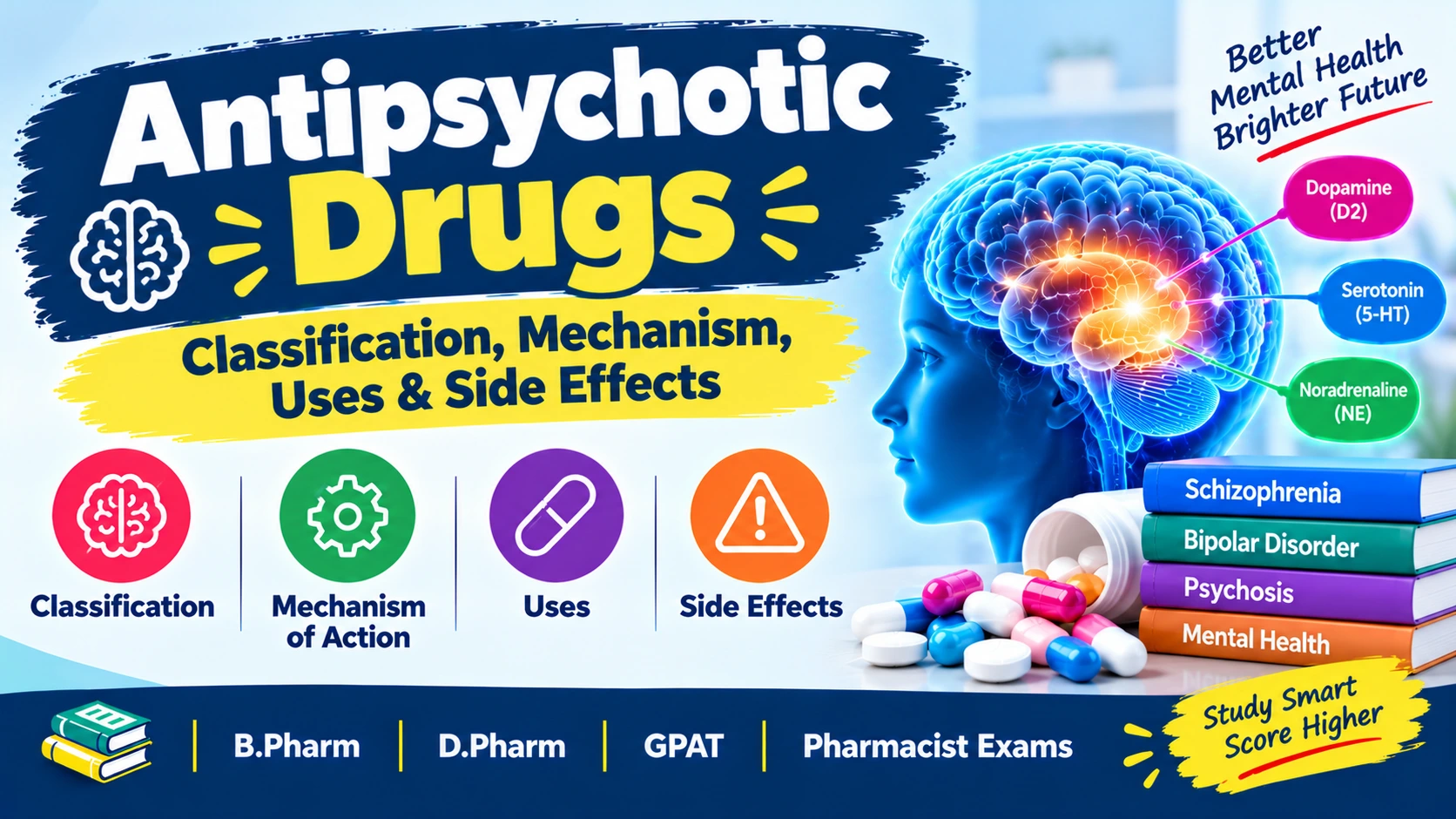
Antipsychotic Drugs: Classification, Mechanism, Uses & Side Effects

Antipsychotic drugs are medicines primarily used to manage psychosis, including symptoms such as hallucinations, delusions, and disorganised thinking. They are also used in selected patients with schizophrenia, bipolar disorder, and other conditions, depending on the medicine and clinical indication. For B.Pharm, D.Pharm, GPAT, and pharmacist recruitment examinations, antipsychotic drugs are an important topic in pharmacology. … Read more