Human Nervous System: Anatomy, Parts & Functions
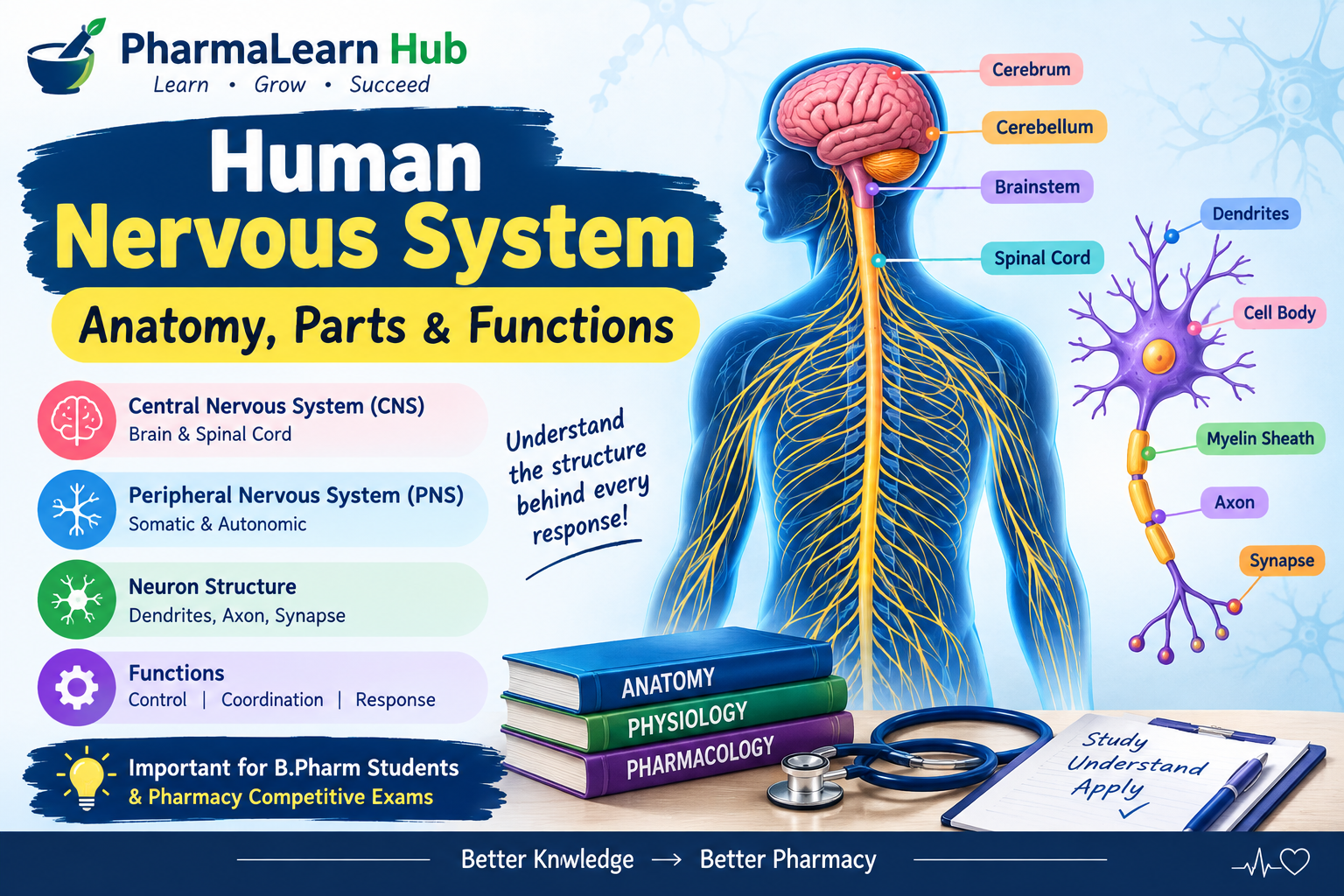
📌Introduction The human nervous system is one of the most important systems of the body. It controls and coordinates almost every activity of the body, including movement, sensation, thinking, memory, breathing, heartbeat, and responses to external stimuli. For pharmacy students, understanding the anatomy of the nervous system is particularly important because many drugs act on … Read more
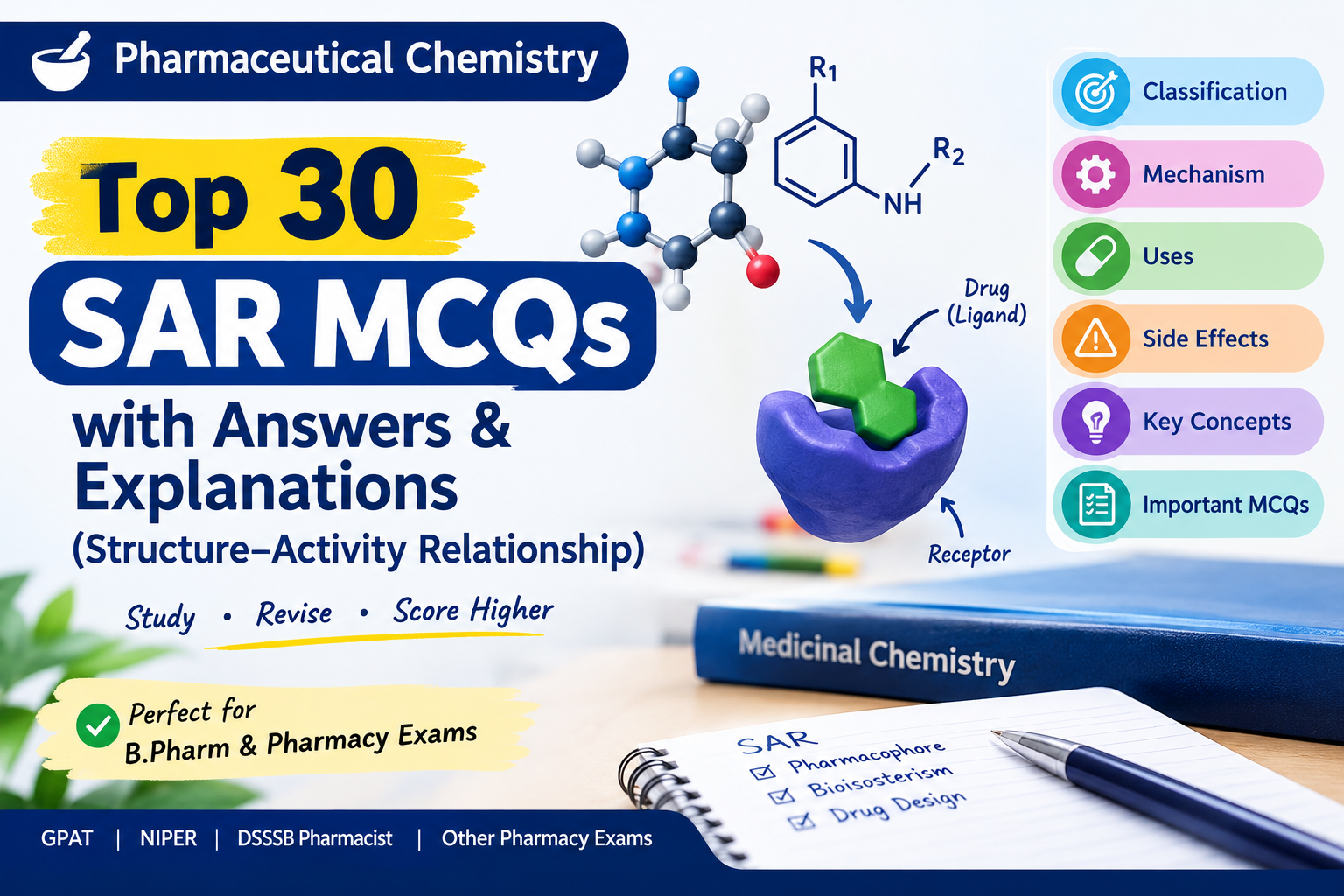
Top 30 MCQs on Structure–Activity Relationship (SAR) with Answers & Explanations

📌 Introduction Structure–Activity Relationship (SAR) is an important topic in pharmaceutical chemistry and medicinal chemistry. It explains how changes in the chemical structure of a drug can affect its biological activity, potency, selectivity, pharmacokinetic properties and toxicity. These 30 important SAR MCQs are useful for B.Pharm students and pharmacy competitive examinations such as GPAT, NIPER, … Read more

Structure–Activity Relationship (SAR): Principles, Importance & Examples

📌 Introduction Structure–Activity Relationship (SAR) is one of the most important concepts in pharmaceutical chemistry and medicinal chemistry. It explains the relationship between the chemical structure of a drug and its biological activity. In simple words, SAR helps us understand which parts of a drug molecule are responsible for its activity and how changing those … Read more

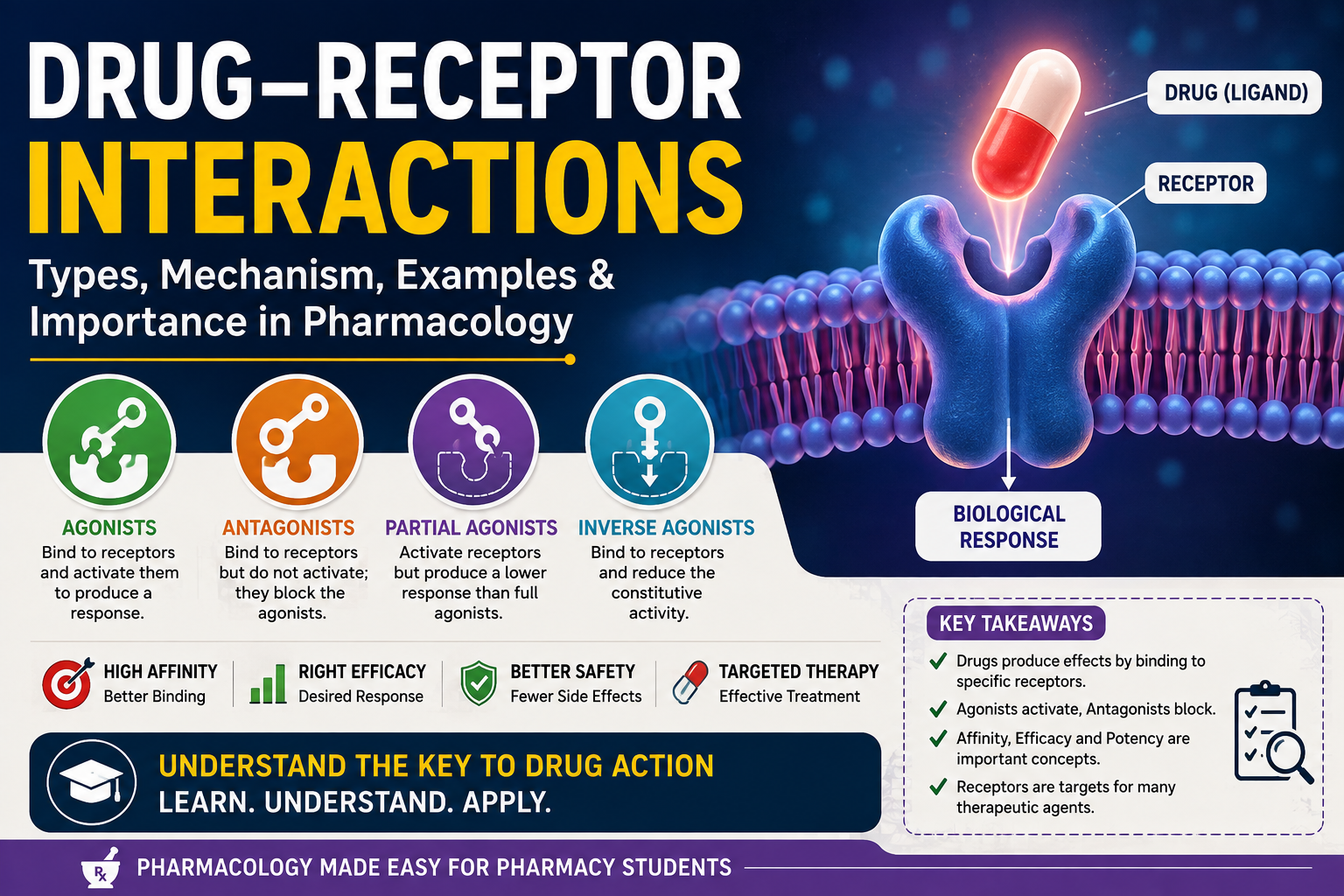
Drug–Receptor Interactions: Types, Mechanism, Examples & Importance in Pharmacology

📌 Introduction Drug–receptor interactions are one of the most important concepts in pharmacology. Many medicines produce their effects by interacting with specific receptors present on cells or tissues. Understanding how drugs bind to receptors helps us understand why a drug produces a particular effect, why different drugs have different strengths, and how agonists and antagonists … Read more

Best Career Options After B.Pharm in India: Jobs, Skills and Higher Studies in 2026

Completing a Bachelor of Pharmacy (B.Pharm) is an important achievement, but many pharmacy students face the same question after graduation: What should I do after B.Pharm? A B.Pharm degree does not limit graduates to working only as a pharmacist. There are several career opportunities available in pharmaceutical companies, hospitals, clinical research organizations, regulatory departments, drug … Read more

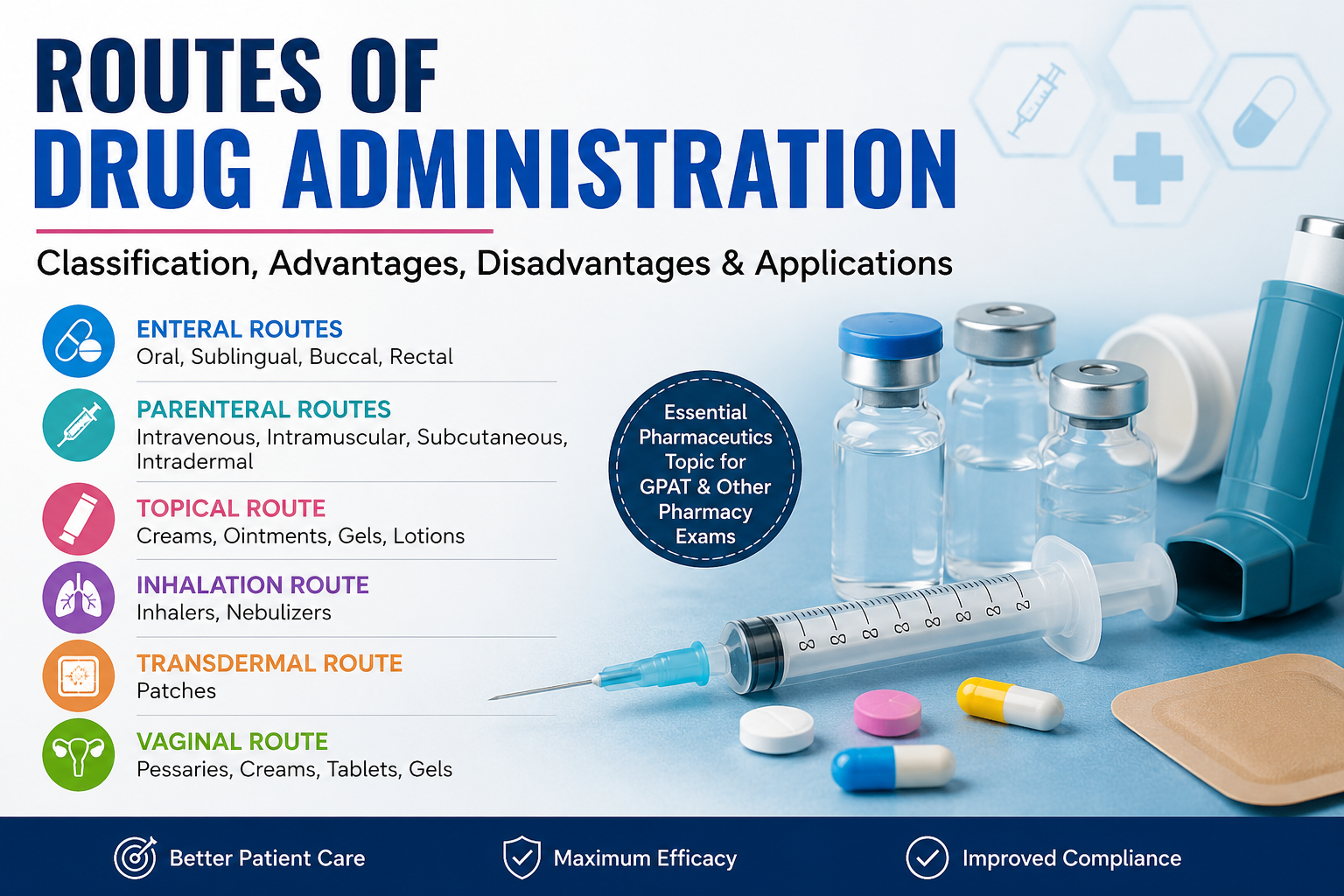
Routes of Drug Administration: Classification, Advantages, Disadvantages & Applications

📌Introduction Routes of drug administration refer to the pathways through which a drug is introduced into the body to produce its therapeutic effect. The choice of the appropriate route depends on factors such as the patient’s condition, the nature of the drug, the desired onset of action, and the duration of therapy. Selecting the correct … Read more

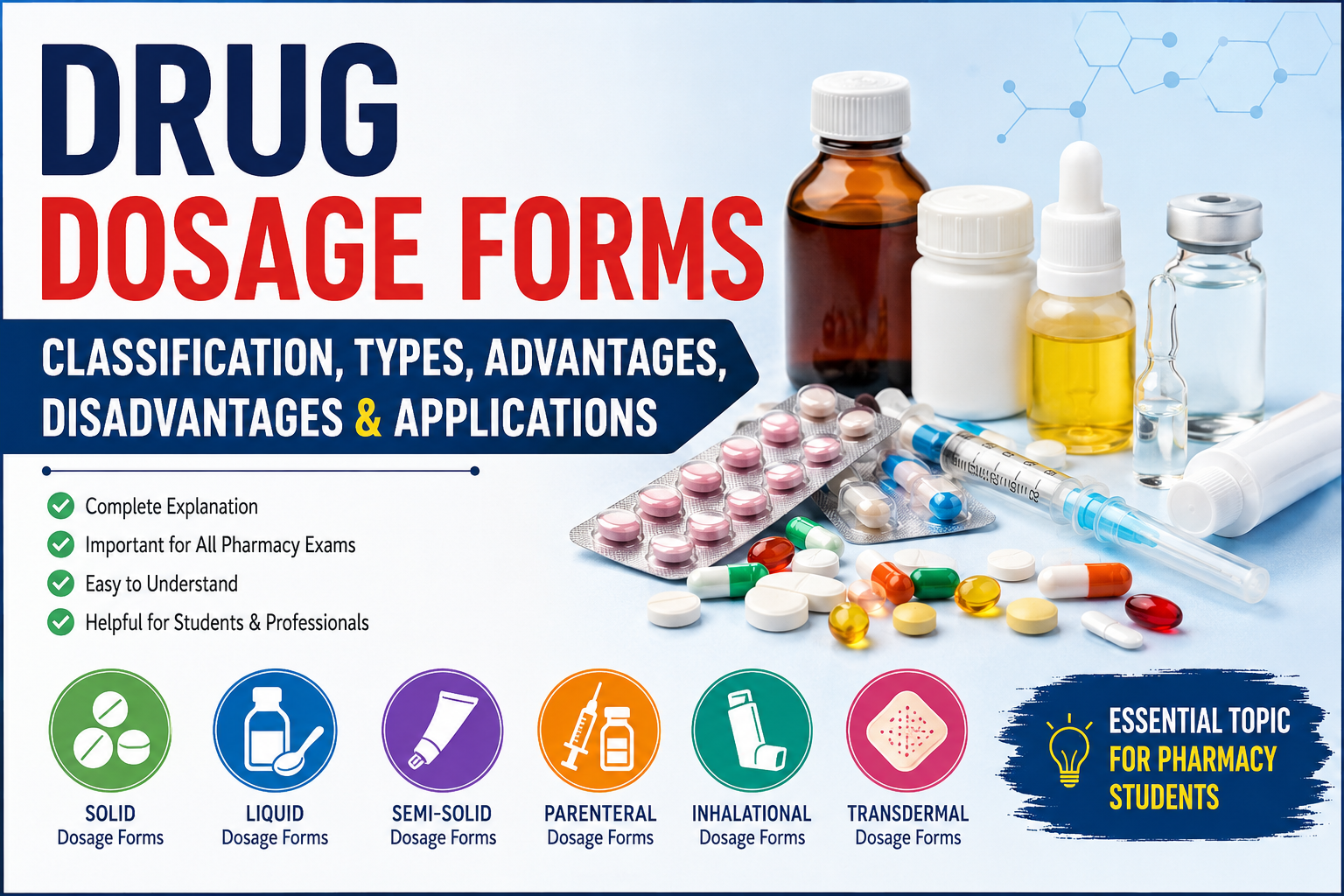
Drug Dosage Forms: Classification, Advantages, Disadvantages & Applications

📌Introduction Drug dosage forms are the physical forms in which medicines are prepared and administered to patients. They are designed to deliver the correct amount of drug safely, effectively, and conveniently. A suitable dosage form improves patient compliance, enhances therapeutic efficacy, protects the drug from degradation, and ensures accurate dosing. The selection of a dosage … Read more

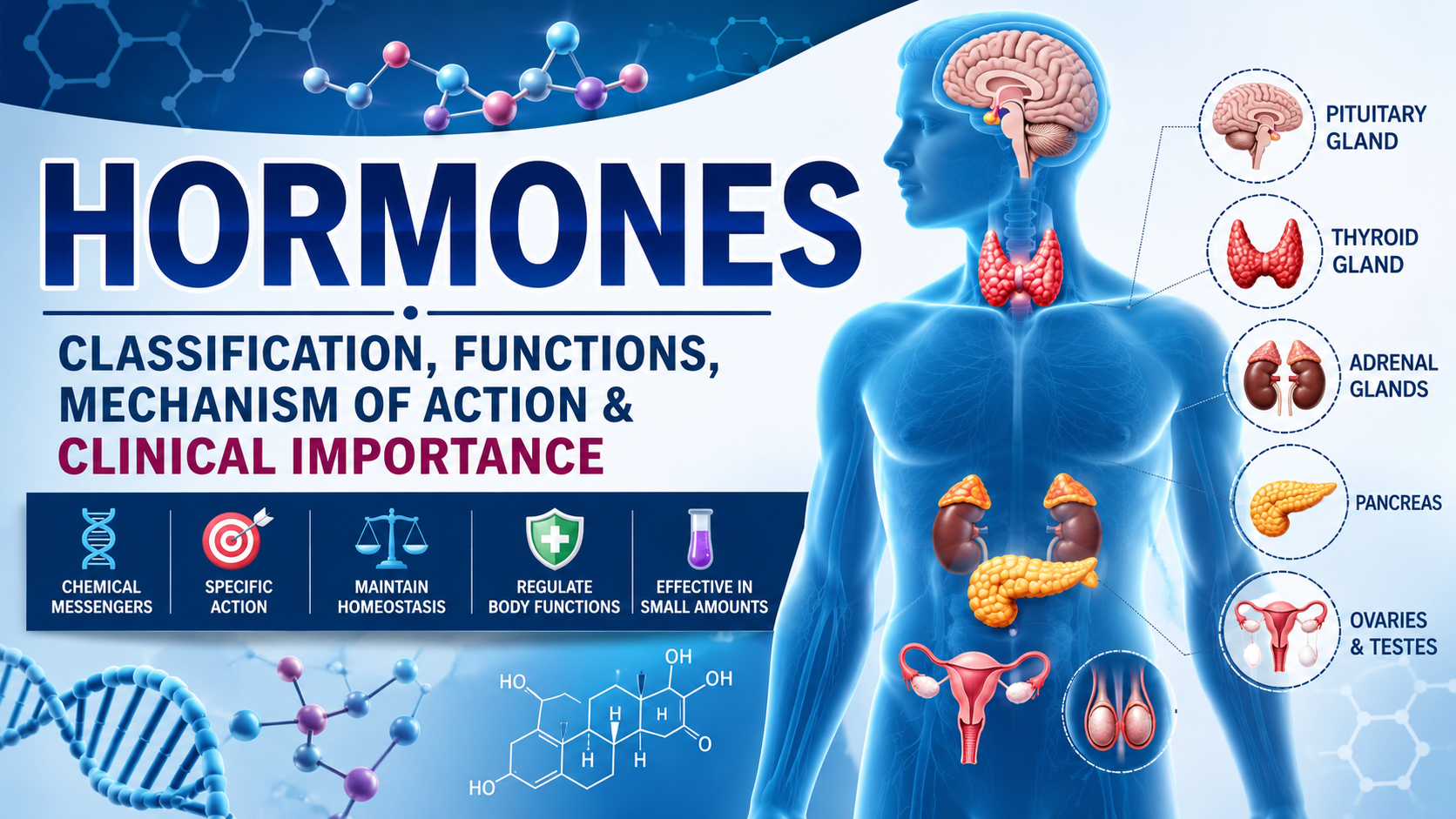
Hormones: Classification, Functions, Mechanism of Action and Clinical Importance

📌Introduction Hormones are chemical messengers produced by endocrine glands that regulate various physiological processes in the human body. They travel through the bloodstream to target organs and tissues, where they control growth, metabolism, reproduction, stress response, and homeostasis. Even small changes in hormone levels can significantly affect health. The endocrine system consists of glands such … Read more

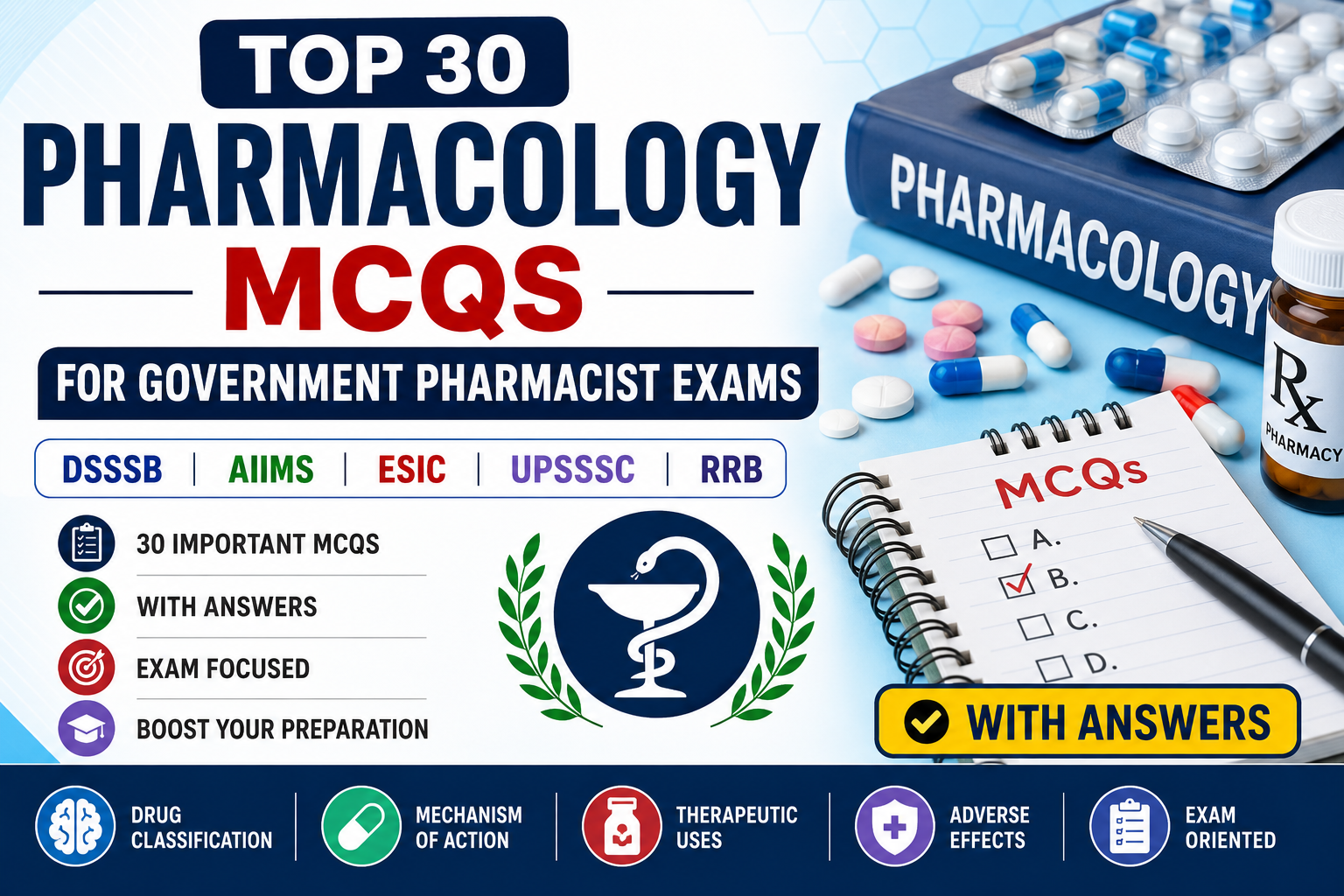
Top 30 Pharmacology MCQs for Government Pharmacist Exams (DSSSB, AIIMS, ESIC, UPSSSC, RRB)

1. Which receptor is primarily stimulated by adrenaline in the heart? A. α1 receptor B. α2 receptor C. β1 receptor D. β2 receptor Answer: C. β1 receptor 2. Atropine is classified as a: A. Cholinergic agonist B. Anticholinergic drug C. Adrenergic blocker D. Antihistamine Answer: B. Anticholinergic drug 3. Which drug is used as an … Read more

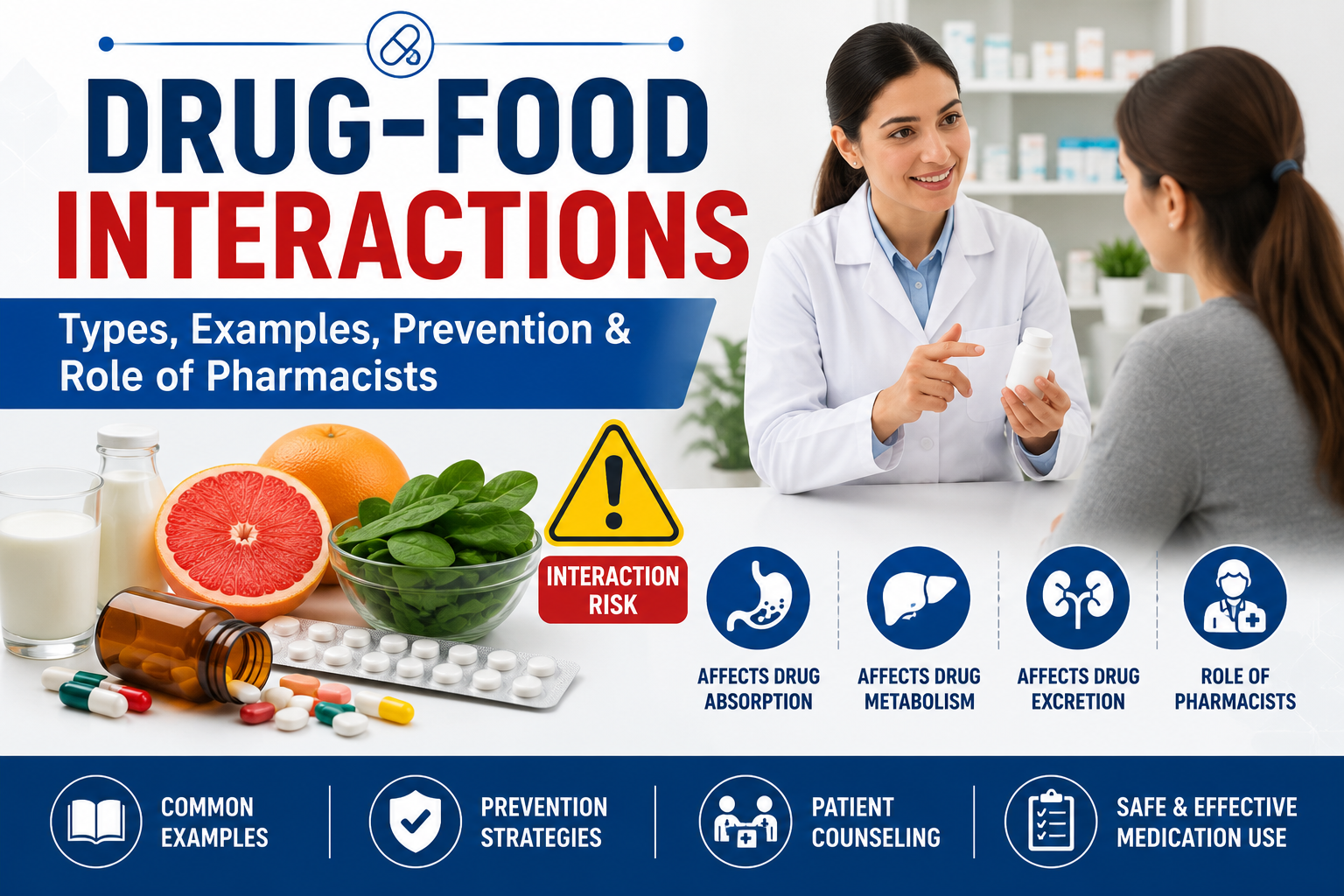
Drug-Food Interactions: Types, Examples, Prevention & Role of Pharmacists

📌Introduction Drug-food interactions occur when food, beverages, or dietary supplements affect the absorption, distribution, metabolism, or excretion of medications. These interactions may alter the effectiveness of a drug, increase adverse effects, or reduce therapeutic outcomes. Understanding drug-food interactions is important for healthcare professionals and patients to ensure safe and effective medication use. Drug-food interactions are … Read more